Nicotine pouch strength is the single most confusing thing for first-time buyers in the UAE. You open a product page, see “4mg,” “6mg,” or “10mg” listed under the flavour, and have no real reference point for what that number actually means for you. Pick too weak and you won’t feel satisfied. Pick too strong and you’re dealing with nausea, dizziness, or a racing heart within minutes of your first pouch. This guide breaks down exactly what mg means, how 4mg, 6mg, and 10mg compare in real use, and how that maps onto the actual nicotine pouch brands sold in the UAE — VELO, ZYN, DZRT, PABLO, and others — so you can pick a strength based on real numbers instead of guesswork.
What Does the mg Number Actually Mean?
The mg figure printed on a nicotine pouch can is the amount of nicotine, in milligrams, contained in a single pouch. A 6mg pouch contains 6mg of nicotine. That’s it — there’s no hidden multiplier or per-hour rate involved, unlike vape juice, which is measured as a concentration (mg/ml) rather than a fixed dose per use.
What the mg figure does not tell you is how much of that nicotine you’ll actually absorb. Pouch nicotine is absorbed slowly through the gum over the time you keep it in, and absorption depends on how long you leave the pouch in, your saliva production, and the pouch’s moisture level. In practice, most users absorb somewhere between 30–50% of the labelled nicotine content during a typical 20–40 minute use. That’s why a 6mg pouch doesn’t hit anywhere near as hard, or as fast, as a cigarette — even though a cigarette only delivers around 1–2mg of nicotine per smoke.
4mg vs 6mg vs 10mg: The Real Difference
These three strengths sit at very different points on the experience curve, and the jump between each one is bigger than the numbers suggest.
4mg — Entry Level A 4mg pouch is built for people who have never used a tobacco or nicotine product before, or who are testing pouches out of curiosity rather than replacing a habit. The sensation is mild: a light tingle under the lip and a subtle background lift, without any noticeable head rush. Most 4mg users don’t feel the need to remove the pouch early — it’s designed to be worn for the full 30–40 minutes without becoming uncomfortable.
6mg — The Everyday Range 6mg is where most regular pouch users settle. It’s strong enough to register clearly — a noticeable tingle, a real sense of satisfaction — without the sharper edge that comes with double-digit strengths. Former light-to-moderate smokers (roughly half a pack a day or less) tend to find 6mg the closest match to what they were getting from a cigarette, minus the smoke.
10mg — Established User Territory 10mg is a meaningful step up, not a small one. This is where former pack-a-day smokers and people who’ve been using 6mg pouches for a while typically land. The onset is faster and more intense, and first-time users trying a 10mg pouch often report lightheadedness, nausea, or a racing heart in the first few minutes — classic signs of taking in more nicotine than your body is used to processing. If you haven’t built up a tolerance through lower strengths first, 10mg is not the place to start.
The gap between 4mg and 10mg isn’t linear in how it feels — going from 4mg to 6mg is a gentle step, but going from 6mg to 10mg can feel like a much bigger jump in intensity, especially for anyone still building tolerance.
Full Strength Tier Breakdown
| Tier | Strength Range | Best For |
|---|---|---|
| Beginner | 3–4mg | First-time users, non-smokers testing pouches |
| Regular | 6mg | Light-to-moderate ex-smokers, daily casual use |
| Strong | 9–11mg | Established pack-a-day ex-smokers, regular pouch users |
| Extra Strong | 14–22mg | Experienced users with built-up tolerance |
| Ultra | 25mg+ | Heavy, long-term users only |
How UAE Brands Map to These Strengths
Not every brand covers every tier, and stock varies by retailer. Here’s how the strengths break down across the nicotine pouch brands available at Vape Sky Dubai, based on our current catalogue:
| Brand | Strength Range Available | Where It Sits |
|---|---|---|
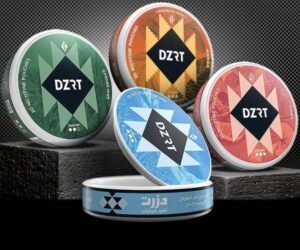
| DZRT | 3–10mg | Beginner to Strong |
| MINOA (gum format) | 3–9mg | Beginner to Regular |
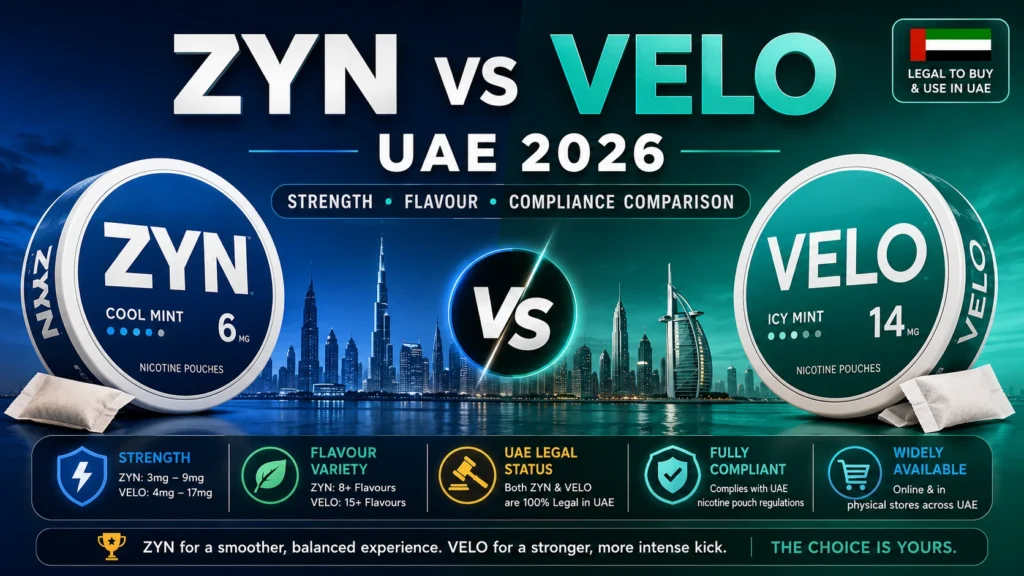
| ZYN | 3–14mg | Beginner to Extra Strong |
| VELO | 4–17mg | Beginner to Extra Strong |
| KILLA | 10–20mg | Strong to Extra Strong |
| WLF | 10–20mg | Strong to Extra Strong |
| White Fox | 12–22.5mg | Strong to Extra Strong |
| Rabbit | 20–30mg | Extra Strong to Ultra |
| PABLO | up to 50mg | Ultra — experienced users only |
If you’re just starting out, DZRT and MINOA cover the lowest strengths on this list, while ZYN and VELO give you the widest range to grow into as your tolerance builds — you can move from a 3mg starter pouch to a 14–17mg option from the same brand without switching products. PABLO and Rabbit sit at the very top of the market and shouldn’t be a first purchase for anyone new to pouches.

How to Pick Your Starting Strength
If you’ve never used tobacco or nicotine at all: start at 3–4mg. There’s no benefit to starting higher, and a strong first experience is the most common reason people give up on pouches entirely.
If you’re switching from light or occasional smoking (under 10 cigarettes a day): 4–6mg is usually the right starting point.
If you’re switching from moderate-to-heavy smoking (a pack a day or more): 6–9mg tends to match the nicotine intake you’re used to, without overshooting it.
If you’re switching from vaping: this is less predictable, since vape nicotine strength varies widely. As a rough starting point, match roughly the same mg/ml figure you were vaping at, then adjust after your first few pouches.
If you already use pouches regularly: move up one tier at a time — for example from 6mg to 9–11mg — rather than jumping two tiers at once. Your tolerance builds gradually, and skipping tiers is the most common cause of an unpleasant experience.
Signs You’ve Picked the Wrong Strength
Too weak: you finish the pouch and don’t feel any real effect, or you find yourself wanting to use another pouch again within the hour.
Too strong: you feel nauseous, dizzy, lightheaded, or notice your heart rate pick up within the first 5–10 minutes. If this happens, remove the pouch immediately — you don’t need to finish it to get relief.
Both are common in the first week of switching to a new strength. If either happens consistently, it’s a clear signal to move a tier down or up on your next purchase.
A Note on Responsible Use
Nicotine is addictive regardless of the format it’s delivered in, and pouches are no exception. Strength selection matters, but so does frequency — using a strong pouch every 20 minutes throughout the day adds up to a much higher total nicotine intake than the mg figure on a single can suggests. If you’re using pouches specifically to move away from smoking, it’s worth setting a rough daily limit for yourself early on, and if you have any underlying health concerns, it’s worth checking with a healthcare provider before starting.
Frequently Asked Questions
What strength nicotine pouch should a beginner use?
Beginners should start with a 3–4mg pouch. This gives a mild, manageable introduction without the nausea or dizziness that can come from starting too strong.
Is 10mg a lot for a nicotine pouch?
10mg sits in the “strong” tier, typically suited to established pack-a-day ex-smokers or regular pouch users who’ve already built tolerance through lower strengths. It can feel intense for first-time users.
Which UAE nicotine pouch brand has the widest strength range?
VELO and ZYN both cover the widest range available at Vape Sky Dubai, from 3–4mg beginner options up to 14–17mg extra-strong pouches within the same brand.
Can I switch nicotine pouch strength anytime?
Yes. Most users move between strengths as their tolerance changes. The safest approach is moving one tier at a time rather than jumping from a beginner strength straight to a strong or extra-strong one.